 |
New pictures! This one is of my dog, Fisher.
|
Molecular shapes can be hard to comprehend, mainly because there are so many! However, of the 8+ shapes the molecules can come in, there are only 6 that you have to really remember.
1.)
Tetrahedral
 |
| http://people.uwplatt.edu/~sundin/images/vspr4.gif |
This molecule is non-polar with 4 bonds. It is 3D and has depth.
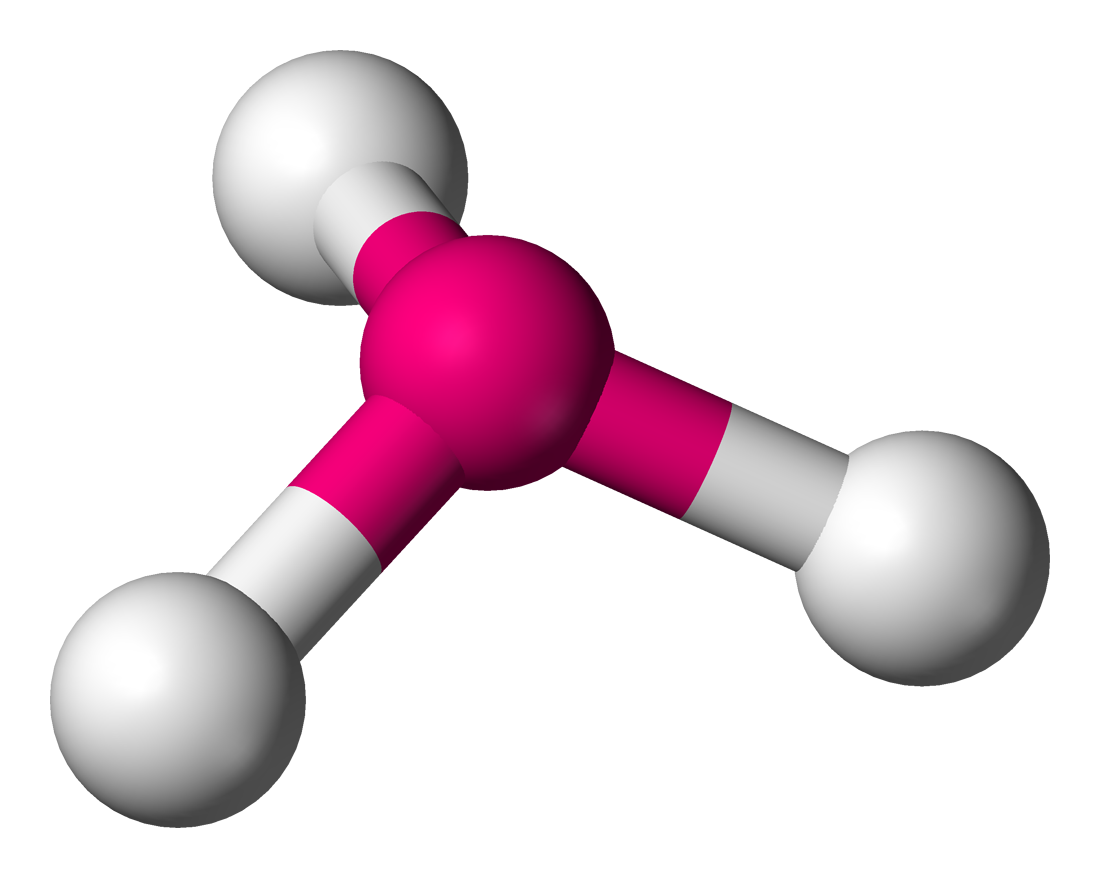 |
| https://upload.wikimedia.org/wikipedia/commons/e/e9/Pyramidal-3D-balls.png |
This molecule is polar and has 3 bonds with a lone pair on top.
 |
| http://users.stlcc.edu/gkrishnan/vspr3.gif |
This molecule structure is like trigonal pyramidal, except that the lone pair on top is missing. This makes the molecule "2D". This molecule is non-polar.
 |
| http://www.ochempal.org/wp-content/images/D/dipolemoment9.png |
This molecule is also "2D" but it is locked in a straight line. This molecule is non-polar. Usually there will be on lone pairs on the central atom.
 |
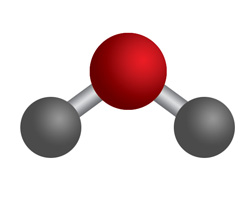
| http://i.stack.imgur.com/xC0NU.jpg |
This molecule is polar, and usually has a pair of lone electrons on top of it. It has only two bonds.
6.) Octahedral
 |
| http://chemwiki.ucdavis.edu/@api/deki/files/860/=copper(II)_fluoride.jpg?revision=1 |
This molecule is non-polar and has 6 bonds. It is three dimensional, and has depth.


_fluoride.jpg?revision=1)